A World Beyond the Map
A map tells you where a place is. It rarely tells you what it feels like to live there. That is where worldbuilding begins to become storytelling.
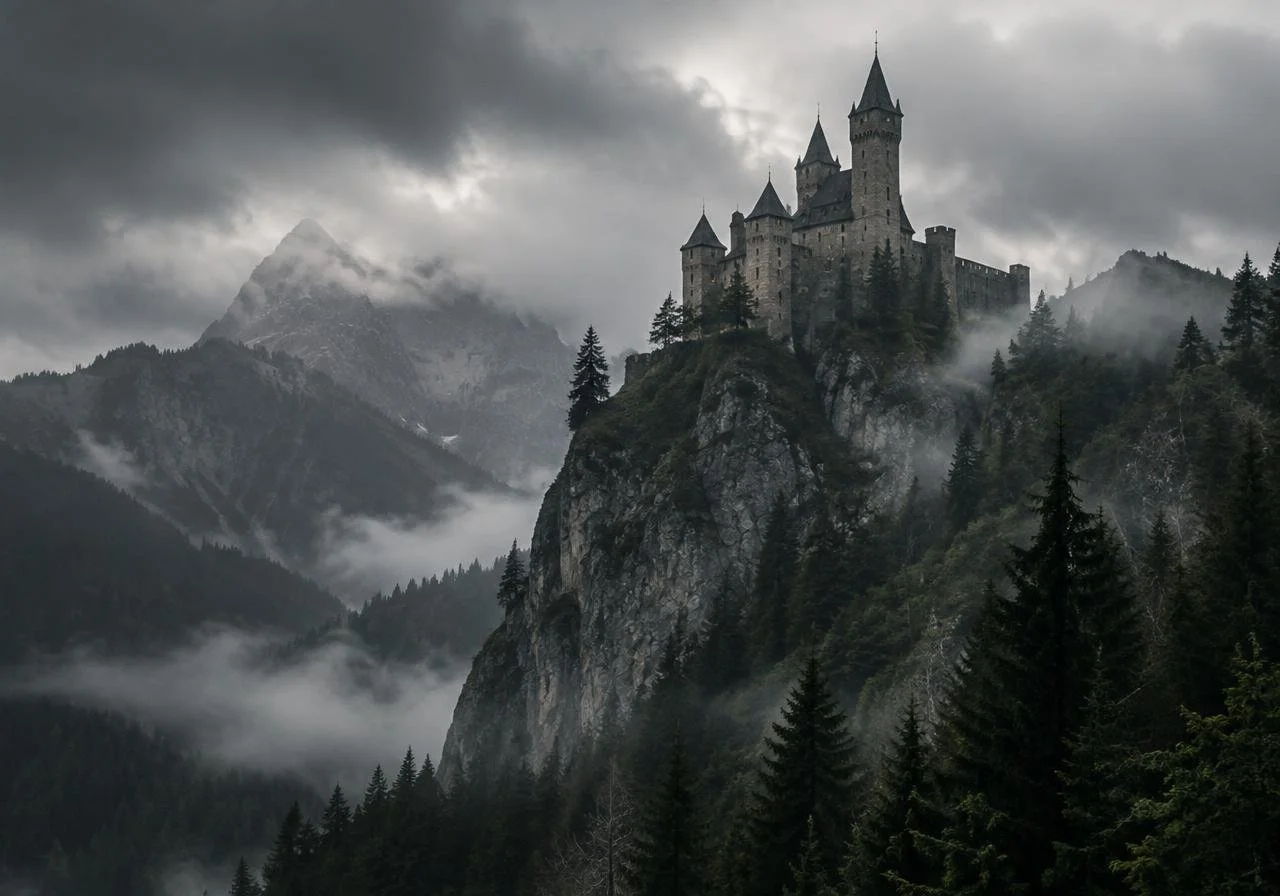
Who built the fortress? What do the villagers call the mountain when the soldiers are not listening? Which road is avoided after sunset, and is the reason a superstition or a memory?
Small answers give a setting its texture. A meal can reveal a trade route. An old saying can preserve a forgotten war. A locked gate can tell you more about a kingdom than a page of history.
I try to leave room for what the characters do not know. A world feels larger when it extends beyond the story's explanations. The edge of the map should be a question, not a wall.
A map tells you where a place is. It rarely tells you what it feels like to live there. That is where worldbuilding begins to become storytelling.
Who built the fortress? What do the villagers call the mountain when the soldiers are not listening? Which road is avoided after sunset, and is the reason a superstition or a memory?
Small answers give a setting its texture. A meal can reveal a trade route. An old saying can preserve a forgotten war. A locked gate can tell you more about a kingdom than a page of history.
I try to leave room for what the characters do not know. A world feels larger when it extends beyond the story's explanations. The edge of the map should be a question, not a wall.
A map tells you where a place is. It rarely tells you what it feels like to live there. That is where worldbuilding begins to become storytelling.
Who built the fortress? What do the villagers call the mountain when the soldiers are not listening? Which road is avoided after sunset, and is the reason a superstition or a memory?
Small answers give a setting its texture. A meal can reveal a trade route. An old saying can preserve a forgotten war. A locked gate can tell you more about a kingdom than a page of history.
I try to leave room for what the characters do not know. A world feels larger when it extends beyond the story's explanations. The edge of the map should be a question, not a wall.
A map tells you where a place is. It rarely tells you what it feels like to live there. That is where worldbuilding begins to become storytelling.
Who built the fortress? What do the villagers call the mountain when the soldiers are not listening? Which road is avoided after sunset, and is the reason a superstition or a memory?
Small answers give a setting its texture. A meal can reveal a trade route. An old saying can preserve a forgotten war. A locked gate can tell you more about a kingdom than a page of history.
I try to leave room for what the characters do not know. A world feels larger when it extends beyond the story's explanations. The edge of the map should be a question, not a wall.
—Deacon Heller